
What is a Hair Perm?
A hair perm, short for “permanent wave,” is a chemical treatment that alters the structure of your hair to create curls or waves. This process can last for several months, depending on your hair type and how well you care for it afterward. Perms are popular for those looking to add body and texture to their hair without having to style it daily.
How Do Perms Work?
So, how do perms work? The perming process involves a few key steps:
- Consultation: Your stylist will assess your hair type and discuss your desired style.
- Preparation: Hair is washed and prepped with specific products to ensure even absorption of the perm solution.
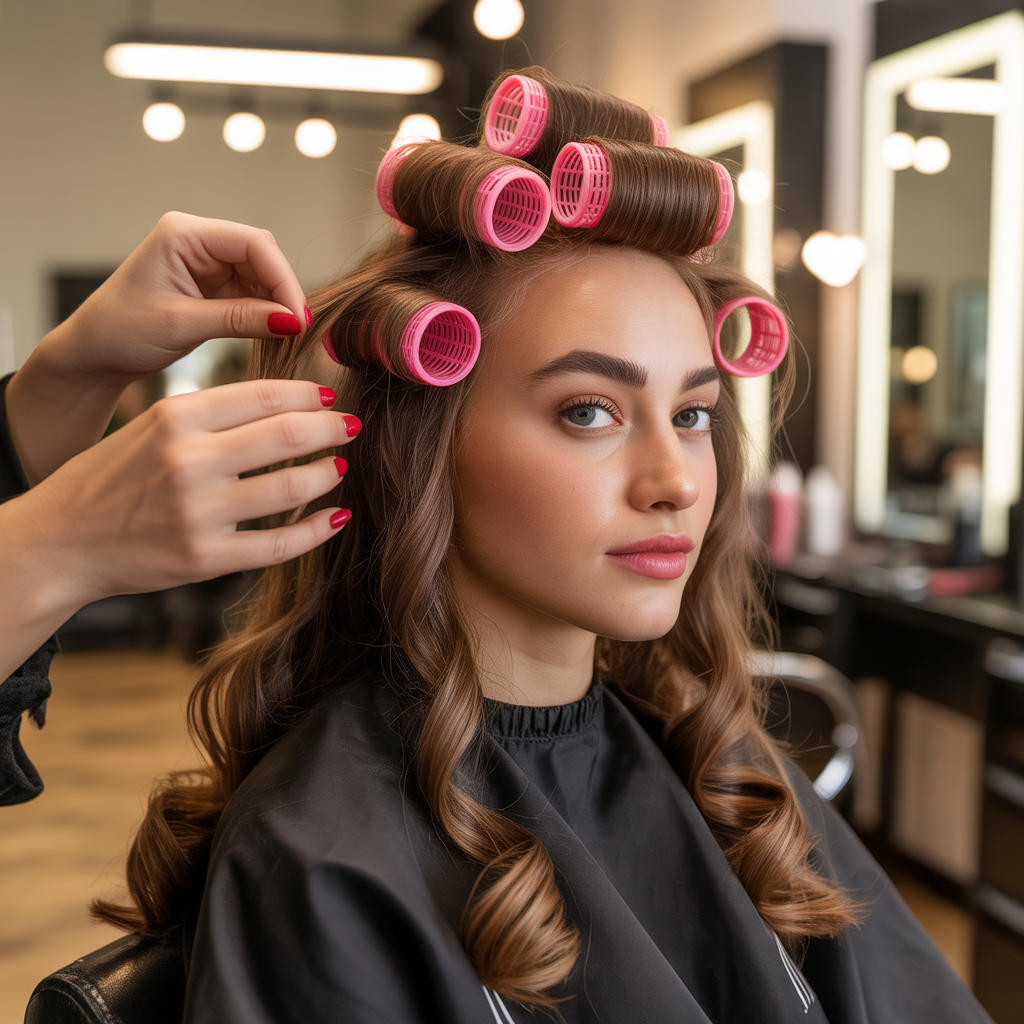
- Wrapping: Hair is wrapped around rods or curlers, which determine the size and shape of the curls.
- Applying the Perm Solution: A chemical solution is applied to break down the hair’s protein structure, allowing it to take on a new shape.
- Setting: After a set time, the solution is rinsed out, and a neutralizer is applied to lock in the new curl pattern.
Types of Perms
There are several types of perms available, each offering different results:
1. Cold Perms
Also known as traditional perms, cold perms use a chemical solution that doesn’t require heat. They create tight, defined curls and are suitable for most hair types.
2. Hot Perms
Hot perms involve using heat to activate the perm solution, resulting in softer, looser curls. This method is great for achieving volume without overly tight curls.
3. Spiral Perms
A spiral perm uses long, cylindrical rods to create corkscrew-like curls. This type is ideal for those looking for a dramatic curl pattern.
4. Beach Wave Perm
If you’re after a more relaxed, tousled look, a beach wave perm can give you those effortless waves reminiscent of a day at the beach.
5. Digital Perms
This modern technique uses heated rods and a digital controller to create soft, natural-looking curls. It’s popular in Asia and is gaining traction worldwide.
How Long Does a Perm Last?
Now, the burning question: how long does a perm last? Generally, a perm can last anywhere from 3 to 6 months, depending on your hair type and how well you maintain it. Factors like hair texture, growth rate, and the type of perm used can all influence its longevity.
Common Problems with Perms
common problems with perms:
- Over-processing: This can lead to dry, brittle hair that breaks easily.
- Unwanted texture: Sometimes, the curls may come out too tight or too loose.
- Fading: Color-treated hair may lose its vibrancy after a perm.
How to Care for Your Perm
Proper care is essential for maintaining your perm’s shape and health. Here are some tips on how to care for your perm:
1. Wait Before Washing
After getting a perm, wait at least 48 hours before washing your hair. This allows the curls to set properly.
2. Use the Right Products
Invest in perm products designed specifically for permed hair. Look for sulfate-free shampoos and conditioners that won’t strip away moisture.
3. Moisturize Regularly
Permed hair can be prone to dryness, so regular deep conditioning treatments are essential.
4. Limit Heat Styling
Avoid excessive heat styling, as this can lead to damage. If you must use heat, always apply a heat protectant.
5. Gentle Brushing
Use a wide-tooth comb or your fingers to detangle your hair gently, avoiding breakage.
Perm Aftercare Tips
Here are some perm aftercare tips to keep your curls looking fresh:
1. Avoid Chlorine
Chlorine can be harsh on permed hair, so wear a swim cap or rinse your hair before swimming.
2. Protect from Sun Damage
Use hats or UV protection sprays to shield your hair from sun exposure, which can fade your perm.
3. Regular Trims
Keep your ends healthy by scheduling regular trims every 6-8 weeks.
4. Be Mindful of Hair Products
Avoid heavy styling products that can weigh down your curls. Opt for lightweight mousses or sprays designed for curls.
5. Know When to Get a Perm Touch-Up
As your hair grows, the roots may become straight. A perm touch-up can help maintain your style, but consult with your stylist about timing.
How to Style a Perm
how to style a perm to get the best out of your new curls. Here are some easy styling techniques:
1. Enhance Your Curls
Use a curl-enhancing cream or mousse to define your curls without making them crunchy.
2. Air Drying
Let your hair air dry whenever possible to reduce heat damage and maintain your curl pattern.
3. Avoid Tight Hairstyles
Loose styles, like a messy bun or ponytail, work better with permed hair to avoid flattening your curls.
4. Try Different Partings
Experiment with different partings to change up your look without committing to a new style.
Perming Techniques
When it comes to achieving the perfect perm, understanding the various perming techniques can be beneficial. Each technique offers distinct results. Here are a few common methods:
1. Rod Size Selection
The size of the rods used during the perm process directly affects the curl size. Smaller rods create tighter curls, while larger rods produce looser waves.
2. Sectioning Hair
Proper sectioning ensures even distribution of the perm solution, resulting in uniform curls.
3. Application Technique
Applying the perm solution evenly and correctly is crucial for the best results. Uneven application can lead to inconsistent curl patterns.
4. Neutralization
Using the right neutralizer is essential for setting the curls and preventing over-processing.
Traditional vs Thio Free Perms
When choosing a perm, you may come across two types: traditional and thio-free. Traditional perms use ammonium thioglycolate, which can be damaging. However, thio-free perms are gentler on the hair, making them a preferable option for those concerned about hair health. Understanding the difference can help you make an informed decision.
Conclusion
Perms can be a fantastic way to change up your look and add texture to your hair. With various types of perms, techniques, and care tips, you can make the most out of your new style. Whether you’re opting for a spiral perm or a beach wave perm, understanding the process and maintaining it effectively will ensure your curls look their best for months to come.
Are you considering a change in your hairstyle? A perm might be the perfect option for you. Whether you want to add some volume, create beautiful curls, or achieve those trendy beach waves, understanding everything about perms can simplify your decision-making process. In this article, we’ll cover the types of perms, how they work, their longevity, care tips, and more. By the end, you’ll have a thorough understanding of what a perm entails and how to maintain it.
What is a Hair Perm?
A hair perm, short for “permanent wave,” is a chemical treatment that alters the structure of your hair to create curls or waves. This process can last for several months, depending on your hair type and how well you care for it afterward. Perms are popular for those looking to add body and texture to their hair without having to style it daily.
How Do Perms Work?
So, how do perms work? The perming process involves a few key steps:
- Consultation: Your stylist will assess your hair type and discuss your desired style.
- Preparation: Hair is washed and prepped with specific products to ensure even absorption of the perm solution.
- Wrapping: Hair is wrapped around rods or curlers, which determine the size and shape of the curls.
- Applying the Perm Solution: A chemical solution is applied to break down the hair’s protein structure, allowing it to take on a new shape.
- Setting: After a set time, the solution is rinsed out, and a neutralizer is applied to lock in the new curl pattern.
Types of Perms
There are several types of perms available, each offering different results:
1. Cold Perms
Also known as traditional perms, cold perms use a chemical solution that doesn’t require heat. They create tight, defined curls and are suitable for most hair types.
2. Hot Perms
Hot perms involve using heat to activate the perm solution, resulting in softer, looser curls. This method is great for achieving volume without overly tight curls.
3. Spiral Perms
A spiral perm uses long, cylindrical rods to create corkscrew-like curls. This type is ideal for those looking for a dramatic curl pattern.
4. Beach Wave Perm
If you’re after a more relaxed, tousled look, a beach wave perm can give you those effortless waves reminiscent of a day at the beach.
5. Digital Perms
This modern technique uses heated rods and a digital controller to create soft, natural-looking curls. It’s popular in Asia and is gaining traction worldwide.
How Long Does a Perm Last?
Now, the burning question: how long does a perm last? Generally, a perm can last anywhere from 3 to 6 months, depending on your hair type and how well you maintain it. Factors like hair texture, growth rate, and the type of perm used can all influence its longevity.
Common Problems with Perms
common problems with perms:
- Over-processing: This can lead to dry, brittle hair that breaks easily.
- Unwanted texture: Sometimes, the curls may come out too tight or too loose.
- Fading: Color-treated hair may lose its vibrancy after a perm.
How to Care for Your Perm
Proper care is essential for maintaining your perm’s shape and health. Here are some tips on how to care for your perm:
1. Wait Before Washing
After getting a perm, wait at least 48 hours before washing your hair. This allows the curls to set properly.
2. Use the Right Products
Invest in perm products designed specifically for permed hair. Look for sulfate-free shampoos and conditioners that won’t strip away moisture.
3. Moisturize Regularly
Permed hair can be prone to dryness, so regular deep conditioning treatments are essential.
4. Limit Heat Styling
Avoid excessive heat styling, as this can lead to damage. If you must use heat, always apply a heat protectant.
5. Gentle Brushing
Use a wide-tooth comb or your fingers to detangle your hair gently, avoiding breakage.
Perm Aftercare Tips
Here are some perm aftercare tips to keep your curls looking fresh:
1. Avoid Chlorine
Chlorine can be harsh on permed hair, so wear a swim cap or rinse your hair before swimming.
2. Protect from Sun Damage
Use hats or UV protection sprays to shield your hair from sun exposure, which can fade your perm.
3. Regular Trims
Keep your ends healthy by scheduling regular trims every 6-8 weeks.
4. Be Mindful of Hair Products
Avoid heavy styling products that can weigh down your curls. Opt for lightweight mousses or sprays designed for curls.
5. Know When to Get a Perm Touch-Up
As your hair grows, the roots may become straight. A perm touch-up can help maintain your style, but consult with your stylist about timing.
How to Style a Perm
how to style a perm to get the best out of your new curls. Here are some easy styling techniques:
1. Enhance Your Curls
Use a curl-enhancing cream or mousse to define your curls without making them crunchy.
2. Air Drying
Let your hair air dry whenever possible to reduce heat damage and maintain your curl pattern.
3. Avoid Tight Hairstyles
Loose styles, like a messy bun or ponytail, work better with permed hair to avoid flattening your curls.
4. Try Different Partings
Experiment with different partings to change up your look without committing to a new style.
Perming Techniques
When it comes to achieving the perfect perm, understanding the various perming techniques can be beneficial. Each technique offers distinct results. Here are a few common methods:
1. Rod Size Selection
The size of the rods used during the perm process directly affects the curl size. Smaller rods create tighter curls, while larger rods produce looser waves.
2. Sectioning Hair
Proper sectioning ensures even distribution of the perm solution, resulting in uniform curls.
3. Application Technique
Applying the perm solution evenly and correctly is crucial for the best results. Uneven application can lead to inconsistent curl patterns.
4. Neutralization
Using the right neutralizer is essential for setting the curls and preventing over-processing.
Traditional vs Thio Free Perms
When choosing a perm, you may come across two types: traditional and thio-free. Traditional perms use ammonium thioglycolate, which can be damaging. However, thio-free perms are gentler on the hair, making them a preferable option for those concerned about hair health. Understanding the difference can help you make an informed decision.
Conclusion
Perms can be a fantastic way to change up your look and add texture to your hair. With various types of perms, techniques, and care tips, you can make the most out of your new style. Whether you’re opting for a spiral perm or a beach wave perm, understanding the process and maintaining it effectively will ensure your curls look their best for months to come.